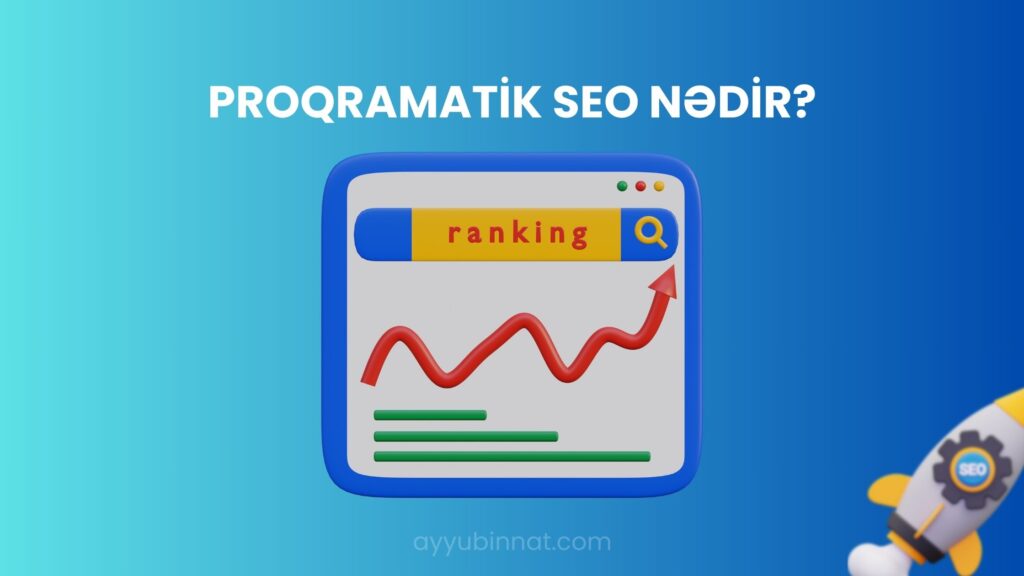
Programmatic SEO is an automated search optimisation strategy for large-scale websites. While traditional SEO methods optimise individual pages, programmatic SEO uses large volumes of data to enable the automatic creation and optimisation of thousands, even millions, of pages .
If you also want to automate your SEO strategy and create high-traffic pages based on keywords , in this article you’ll learn all the ins and outs of programmatic SEO.
Which Websites Is Programmatic SEO Suitable For?
Programmatic SEO isn’t suitable for every type of website. The following types of sites can use this strategy effectively:
✅ E-commerce sites – Automatically creating and optimising product pages. ✅ News and media sites – Automating news pages for specific keywords. ✅ Travel sites – SEO-optimised pages for flights, hotels and tour packages. ✅ Databases and dictionary sites – Dynamically generating thousands of information pages. ✅ Service directories and local business listings – Automatic pages for cities and service areas.
If your site falls into one of these categories, applying programmatic SEO can increase traffic and visibility.
How Does Programmatic SEO Work?
These are the main steps for applying programmatic SEO:
1. Keyword research and building the database
Everything starts with finding the right keywords . To do this, use tools such as Google Keyword Planner, Ahrefs, SEMrush to identify long-tail keywords .
For example, when building a programmatic SEO strategy for a travel site, you might choose keywords like:
“Best hotels in Baku”
“Cheap flights from Istanbul to Paris”
“5-star hotels in Dubai”
These keywords are stored in a CSV file or database (MySQL) and later help generate pages automatically.
2. Automatic page generation
Based on the keywords in the database, automatic pages are created. These pages are based on a template structure and are dynamically filled with different content.
3. Using SEO-optimised templates
For automatically generated pages, SEO-friendly templates are prepared. Each page has unique titles, meta descriptions and URL structure.
For example:
					URL: https://example.com/bakida-en-yaxsi-oteller
H1: Bakıda Ən Yaxşı Otellər – Sizin Üçün Seçdiklərimiz
Meta description: Bakıda ən yaxşı otelləri tapın. Qiymətlər, müştəri rəyləri və endirimlər haqqında ətraflı məlumat.
4. Adding structured data (Schema Markup)
To help Google index pages better, Schema Markup is used. For example, you can add Review Schemafor hotels, Product Schema for products and Service Schema for services.
5. Internal linking and optimisation
When applying programmatic SEO, you need to build an internal linking strategy . To do this, links to similar pages are added automatically, helping Google’s bots index the site’s structure better.
✔️ Automatic optimisation of thousands of pages. ✔️ Targeting more keywords and gaining traffic at scale. ✔️ Getting effective results with fewer resources, without manual SEO optimisation. ✔️ Increasing Google’s indexing speed.
❌ Disadvantages
⚠️ Low-quality content can become a problem. ⚠️ There’s a risk of penalties from Google’s spam algorithms. ⚠️ Without proper internal linking and UX design, the user experience can suffer.