


SWOT Analysis: Building a Successful Business Strategy
A SWOT analysis is a powerful tool used to shape successful strategies for any company or individual project. This method provides a thorough assessment of an organisation’s internal and external environment. The acronym SWOT stands for four key components: Strengths , Weaknesses , Opportunities and Threats . With a SWOT analysis you can understand an organisation’s current position, take steps to grow and compete effectively.
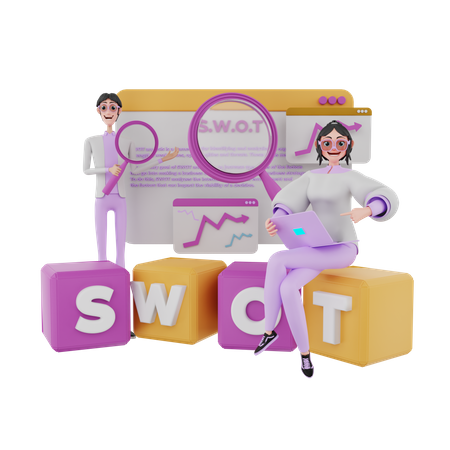
Key Components of a SWOT Analysis
Strengths
Strengths are the areas where a company or project excels. These are the factors that set it apart from competitors and allow it to succeed in the market. Examples of strengths include:
- Strong brand value
- High-quality products and services
- Customer satisfaction
- Well-trained staff
- Efficient management of existing resources
Weaknesses
Weaknesses are internal shortcomings that hinder a company’s growth and ability to compete. These factors drain the organisation’s resources and limit its growth potential. Weaknesses include:
- Poor financial management
- Gaps in marketing strategy
- Limited ability to adapt to competition
- Staff in need of training
Opportunities
Opportunities are external factors that create conditions for the organisation to grow and develop. They can come from market changes, new technologies or economic conditions. Opportunities are essential for growing a business and may include:
- Entering new markets
- Technological advances
- Weakening competitors
- Changes in government policy
Threats
Threats are external factors that weaken an organisation’s market position and hinder its growth. They can include stronger competitors, economic stagnation or market changes. If threats aren’t identified and addressed in time, the company’s position can be put at risk. Possible threats include:
- More competitors
- Economic instability
- Rapid technological change
- Changing customer needs

How Do You Carry Out a SWOT Analysis?
1. Collect and Analyse Information
The first step in a SWOT analysis is to gather information about the organisation and its environment. This includes internal analysis to identify strengths and weaknesses, as well as market research to explore external opportunities and threats.
You can use AI tools to collect information, e.g. ChatGPT, Gemini and others.
2. Assess Strengths and Weaknesses
When analysing strengths and weaknesses, consider factors such as the organisation’s internal resources, staff experience, product and service quality and financial position. Areas where the company is strong should be developed further, and weak areas improved.
3. Monitor External Opportunities and Threats
Analysing the external environment is essential to track market changes and identify factors that may affect the organisation’s development. New technologies and trends, changing customer needs and shifts in government policy all help define the company’s opportunities and threats.
4. Build the SWOT Matrix
Based on the information collected, a SWOT matrix is created. With this matrix, company leaders and managers can define the organisation’s position and make strategic decisions.
Benefits of a SWOT Analysis for Business
Supports Strategic Decision-Making
A SWOT analysis supports a company’s strategic decision-making. Through it, organisations assess their market position and growth potential and gain the information they need to move in the right direction.
Creates a Competitive Advantage
When a company carries out a SWOT analysis properly, it can stand out from its competitors. Building on strengths and eliminating weaknesses gives it an edge over rivals.
Helps Prevent Potential Risks
A SWOT analysis helps identify threats a company may face in the future, which lets it take preventive measures. When threats are assessed in time, they can be prevented and the likelihood of a crisis decreases.
Challenges and Limitations of a SWOT Analysis
Subjective Assessment
One of the biggest challenges of a SWOT analysis is subjectivity. Even when the people carrying it out try to be objective, personal views can influence the analysis.
The Need for Detailed Data Collection
Doing a SWOT analysis properly requires collecting and analysing a lot of information, which takes resources and time. Insufficient data can weaken the results.
How to Make a SWOT Analysis More Effective?
Gather Broad Information from Internal and External Sources
To make a SWOT analysis more effective, it’s important to gather information from both internal and external sources. Using sources such as financial reports, employee surveys and market research produces more accurate results.
An Objective and Impartial Approach
Transparency is essential for analysing the results objectively. Personal opinions and emotional approaches can undermine the soundness of strategic decisions.
Update Your SWOT Analysis Regularly
As changes occur in the market and the organisation, it’s important to update the SWOT analysis. This helps you revise the strategy in line with the changes and solve problems in time.
Conclusion
A SWOT analysis is an indispensable tool for building the right strategies. By understanding strengths and weaknesses, opportunities and threats, you can take the steps needed for your business to succeed in the future. The analysis also gives the company valuable information for competing with rivals and preventing risks.