



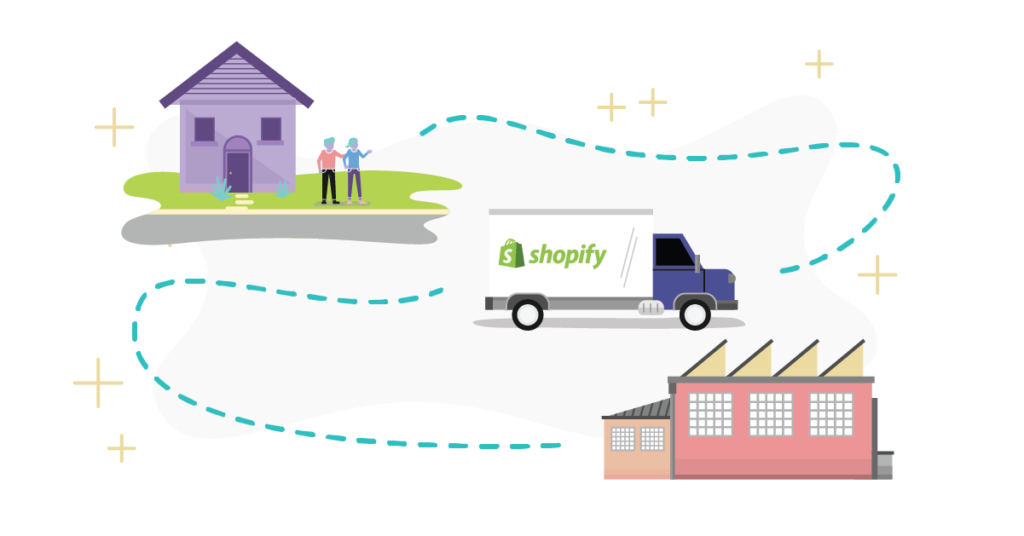
Shopify dropshipping is a business model where you create an online store without having to buy products in advance. Products sold to customers through your store are shipped directly to buyers by suppliers. This model can be very cost-effective because you don’t need inventory up front.
Advantages of Shopify Dropshipping
Low Startup Costs
One of the biggest advantages of dropshipping is the low initial cost. You don’t need to buy and store stock in advance. You only order products from suppliers after customers buy them.
Wide Product Range
With dropshipping you don’t have to sell a limited range from a single category. By working with different suppliers, you can offer a variety of products in your store. This increases your chances of making sales and helps you reach a wider audience.
Quick to Get Started
The Shopify platform is ideal for dropshipping because users can set up their store and launch in a very short time. Shopify’s interface is user-friendly and lets you build your website easily without technical knowledge.
How to Start Shopify Dropshipping?
Finding Products
Product selection is one of the key factors of success in dropshipping. Oberlo and Spocket — popular apps like these let you add suppliers’ products directly to your Shopify store. There are a few things to consider when choosing products:
-
- Choose trending products
-
- Prefer products with low competition but high demand
-
- Look for products that offer unique value to your customers
Agreeing Terms with a Supplier
Working with a reliable supplier is crucial for a successful dropshipping business. Suppliers’ customer service, delivery times and product quality play a big role in your business’s success. When choosing suppliers, pay attention to:
-
- Suppliers that offer quality products
-
- Fast delivery times
-
- Good customer service and support
Setting Up Your Shopify Store
Setting up a store on Shopify is very simple. Shopify — take your first step by creating an account on the official website. Your store’s design, product pages and payment methods should be accessible and intuitive for users.
-
- Store Design: Choose a simple, attractive design with the user experience in mind.
-
- SEO: Optimise your product pages by choosing the right keywords for search engine optimisation.
-
- Payment Systems: Set up PayPal, Stripe and other payment gateways to offer customers convenient payment methods.
Shopify SEO Tactics
SEO is very important for getting your Shopify store to the top of search engines. With SEO you can drive more traffic to your store and increase sales. Let’s look at a few key Shopify SEO tactics:
-
- Keyword Research: Use relevant keywords on your product pages and in your blog posts. Google Keyword Planner and similar tools will help you with this.
-
- Meta Descriptions and Titles: Create compelling meta descriptions and SEO-friendly titles for each product.
-
- Responsive Design: Make sure your store is mobile-friendly. Google considers mobile optimisation one of the important ranking factors.
Marketing Strategies on Shopify
Marketing strategies are crucial for running your store successfully. Let’s review the most effective marketing methods for entrepreneurs starting out with Shopify.
Facebook and Instagram Ads
Facebook and Instagram ads can be very effective in a Shopify dropshipping business. You can use these platforms’ powerful ad capabilities to reach your target audience and promote your products. In Facebook and Instagram ad campaigns you can use the following strategies:
-
- Retargeting Ads: Use this ad type to win back customers who visited your website but didn’t buy.
-
- Lookalike Audiences: Use Facebook’s lookalike audience feature to find new potential customers similar to your existing ones.
Influencer Marketing
Influencer marketing can be very effective for Shopify dropshipping. Working with influential people who have their own audience to promote your products can increase sales. When choosing influencers, check whether their audience is a good fit for your product.
Email Marketing
Email marketing is a great way to attract potential customers and bring existing ones back to your store. In your Shopify store, Klaviyo and similar apps let you set up automated email campaigns. This is a powerful strategy for increasing sales.
Examples of Well-Known Shopify Stores
Learning from successful stores is very important. Allbirds and Gymshark and other globally known stores are examples of success on the Shopify platform. These stores have succeeded on Shopify with the quality products they’ve created and strong marketing strategies.
Challenges in Shopify Dropshipping
However attractive the dropshipping business model may seem, it also has certain challenges.
Low Profit Margins
Heavy competition can push profit margins down in the dropshipping model. Because suppliers ship products directly to customers, it’s hard to create a big difference in product prices.
Customer Service Issues
Because you don’t handle products directly in dropshipping, you may face customer service problems. Delays, damaged products and other logistics issues depend on your suppliers.
Final Tips for Shopify Dropshipping Success
-
- Choosing the right products is crucial. Make sure the products you want to sell are on-trend and in demand.
-
- Work with reliable suppliers. Pay attention to their delivery quality and times.
-
- Build strong marketing strategies. Promote your store through social media, email marketing and SEO.
Conclusion
Shopify dropshipping is a successful online business model in the global market. Thanks to low startup costs, a wide product range and a simple setup process, dropshipping is an ideal choice for entrepreneurs who want to succeed on Shopify. With the right products, strong suppliers and effective marketing strategies, you can move steadily toward success.
Useful resources: