


Topics
● What is traditional marketing?
● Key elements of traditional marketing
● Advantages of traditional marketing
● Challenges of Traditional Marketing
● The Shift from Traditional to Digital Marketing
● Traditional vs Digital Marketing: Key Differences
● How to Combine Traditional and Digital Marketing
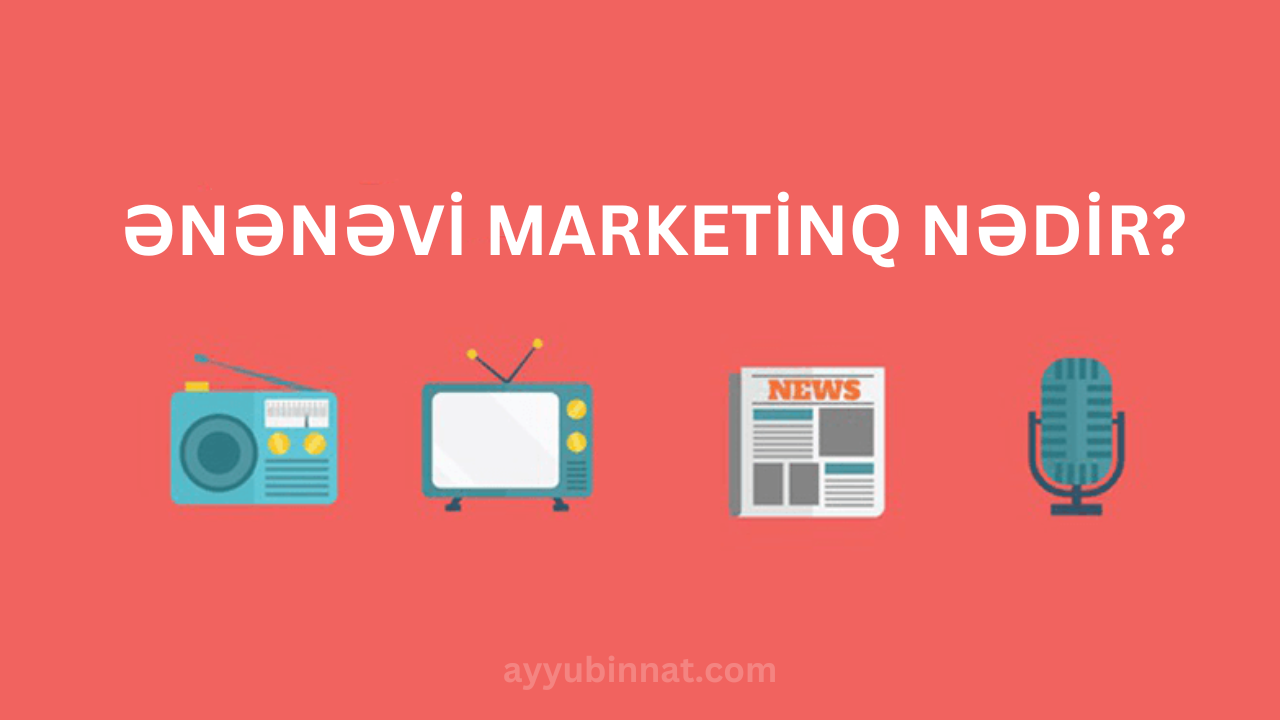
What is traditional marketing? covers the marketing methods used before the era of digital platforms. These methods include channels such as television, radio, newspapers, magazines and outdoor advertising.
Compared with modern digital marketing tools, traditional marketing relies on a simpler, more direct way of delivering a message. These strategies were mainly aimed at a mass audience and could not build interactive relationships with a specific segment.
Key Elements of Traditional Marketing
1. Television and Radio Ads
Television and radio are among the most effective traditional marketing channels. These platforms are used to reach a broad audience. TV ads are especially powerful because they combine visual and audio impact, while radio was ideal for targeting a mobile audience.
For example: in the 1960s, Coca-Cola‘s TV commercials played an important role in making the brand known worldwide.
2. Newspaper and Magazine Ads
Newspapers and magazines were the main channel for localised advertising. These platforms made it possible to target a specific readership. One of the most common methods was placing articles about a product or service.
3. Outdoor Advertising (Billboards)
Billboards and outdoor ads were widely used in city centres, along roads and at other strategic points. These ads are designed to catch people’s attention passively.
For example: The huge billboard ads in Times Square are a truly iconic example of traditional marketing.
Advantages of Traditional Marketing
1. Reaching a Mass Audience
Traditional marketing channels gave brands the opportunity to reach large audiences. TV and outdoor ads in particular had very wide reach.
2. Lasting Impact
Channels such as billboards and printed materials stay around for a long time, so they remain in the audience’s memory.
3. Traditional Support for Well-Known Brands
Brands that combine traditional marketing tactics with digital strategies can create a stronger impact. For example, brands like Nike succeed with both TV and digital advertising campaigns.
Challenges of Traditional Marketing
1. Difficult Tracking and Measurement
It is hard to measure the effectiveness of TV and radio ads precisely. Modern marketers can measure the results of digital campaigns much better with analytics tools.
2. High Costs
Traditional ads, especially TV and billboard campaigns, are very expensive and out of reach for small businesses.
3. Limited Targeting
In traditional marketing, ads are aimed at a broad audience, and it is difficult to target a specific group of people.
The Shift from Traditional to Digital Marketing
With the development of digital technologies, traditional marketing strategies were replaced by more modern methods. Digital ads offer more precise targeting and better ROI (return on investment).
How Traditional and Digital Marketing Fit Together
Traditional marketing is still relevant today. For example, using TV ads together with digital social media campaigns can strengthen brand messages.
Tip: For more on combining traditional and digital strategies, take a look at the HubSpot blog.
Traditional vs Digital Marketing: Key Differences
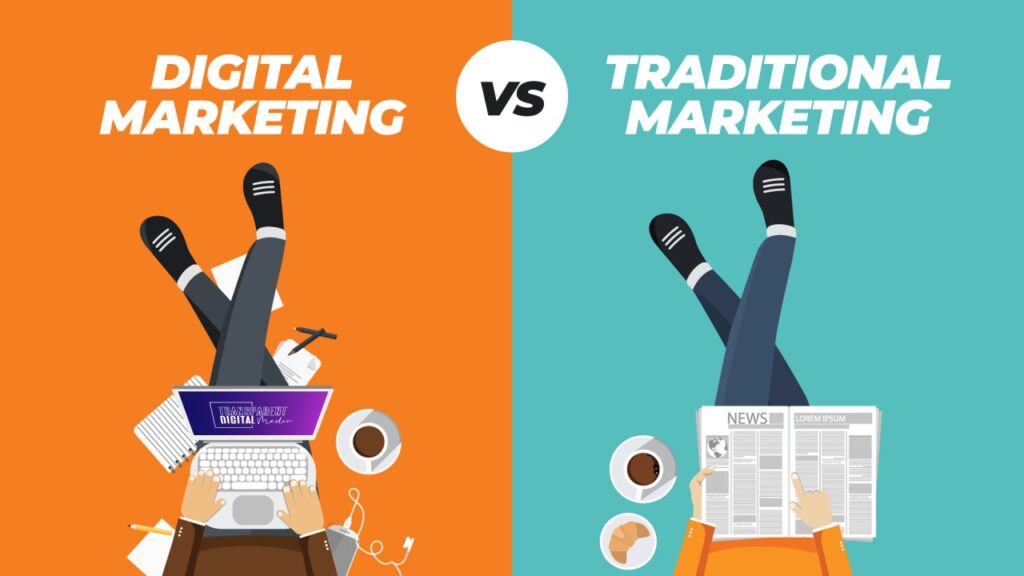
The field of marketing has gone through significant changes over the years. Although traditional marketing was long the main sales and promotion tool for businesses, the rise of digital marketing has made the differences between the two approaches much clearer. In this article we’ll look at the differences between both types of marketing.
Traditional vs Digital Marketing: An Overview
Traditional Marketing
Traditional marketing mainly uses channels such as print, television, radio and outdoor advertising. Information is delivered directly to the target audience, but this approach offers limited opportunities for interaction.
Digital Marketing
Digital marketing is an approach that uses technology to reach a target audience over the internet. Social media, search engine optimisation (SEO), email marketing and online ads are its main tools.
Key Differences
1. Platform and Channel
- Traditional Marketing:
Uses physical and mass media channels such as newspapers, magazines, radio, television, billboards and flyers.
For example: TV commercials are the main way to reach a broad audience on a global scale. - Digital Marketing:
Carried out through Facebook, Instagram, Google, email and other online platforms. The internet plays the key role.
For example: With Facebook Ads you can reach a target audience in a specific region.
2. Targeting
- Traditional Marketing:
Aimed at a broad, heterogeneous audience. Demographic data is often general.For example: A TV ad can be watched by anyone, but it is hard to target an audience with specific interests. - Digital Marketing:
Allows you to target a specific, narrow audience. For example, ads are built around age, gender, interests and even past behaviour.For example: A restaurant can use Google Ads to target only food lovers living in a particular area.
3. Tracking and Measurement
- Traditional Marketing:
Effectiveness is hard to measure. You can’t know exactly how many people an ad reached. Results are often estimated from sales figures. - Digital Marketing:
Every step can be tracked with analytics tools. Metrics such as click-through rate, impressions and conversion rate are monitored in real time.For example: With Google Analytics you can see which ad campaign the visitors to a website came from.

4. Costs
- Traditional Marketing:
Often expensive and requires a long-term budget. Placing ads on TV and on large billboards is especially costly. - Digital Marketing:
Lets you target more people with smaller budgets. Ad spend is flexible, and effective results are possible even with little money.

5. Interactivity and Customer Engagement
- Traditional Marketing:
Not interactive. The message is sent one way, and extra tools are needed to collect customer feedback. - Digital Marketing:
Interactive, and allows direct communication with customers. Reviews, comments and messaging on social media make it easier to engage with customers.For example: Polls and comments on Instagram let you learn what customers think about a product.
6. Flexibility and Ability to Change
- Traditional Marketing:
Once a campaign has started, it is hard to change. An ad that has been printed or broadcast can no longer be changed. - Digital Marketing:
It is easy to change and optimise a campaign. Changes can be made in real time.For example: If a Google Ads campaign is underperforming, it can be readjusted right away.
How to Combine Traditional and Digital Marketing
Today, combining traditional and digital marketing approaches can deliver more effective results.
- Support your TV and radio ads with social media campaigns.
- On billboards, also include the website or social media page of the product you’re advertising.
- Add QR codes to printed materials to direct customers to your online platforms.
Tip: To learn how traditional and digital marketing can be combined, you can use the Hootsuite blog.
Conclusion
Although traditional marketing faces certain challenges in today’s digital world, it still holds its value. TV, radio, print and outdoor ads are effective, especially for brands that want to reach a large audience. But when used together with modern digital strategies, marketing campaigns can deliver even better results.
If you want to build both traditional and digital marketing strategies for your business, you can draw inspiration from expert articles published by Forbes .
All strategies are stronger together!
Grow your business by combining traditional marketing methods with innovative approaches, and build deeper relationships with your customers.
SEO suggestions? Let us know and we can add them!